PUBLISHED
ABOUT AUTHOR
READING TIME
CATEGORY

Most salon towel RFQs get compared on price alone, which is how salons end up reordering every 8–10 weeks. This guide walks through the five specs — GSM, dye process, absorbency, MOQ/lead time, and replacement cycle — worth checking before you sign with a supplier, plus the questions to ask and the red flags that predict a bad batch.
Why Salon Towels Need a Different Spec Sheet
A hotel bath towel and a salon hand towel look similar on a spec sheet, but they don’t fail the same way. Salon towels go through bleach, peroxide, ammonia-based colour, and oil treatments multiple times a day, then get laundered on a hot, frequent cycle to keep up with client turnover. A towel built for a hotel’s laundry schedule will yellow, thin out, or bleed colour within a few months of salon use — which is the single biggest reason procurement heads end up re-sourcing sooner than planned.
Sourcing for a salon means sourcing for chemical exposure and wash frequency first.
Sourcing for a salon means sourcing for chemical exposure and wash frequency first, softness and price second.
The 5 Things to Check Before You RFQ
1. GSM and Fabric Weight
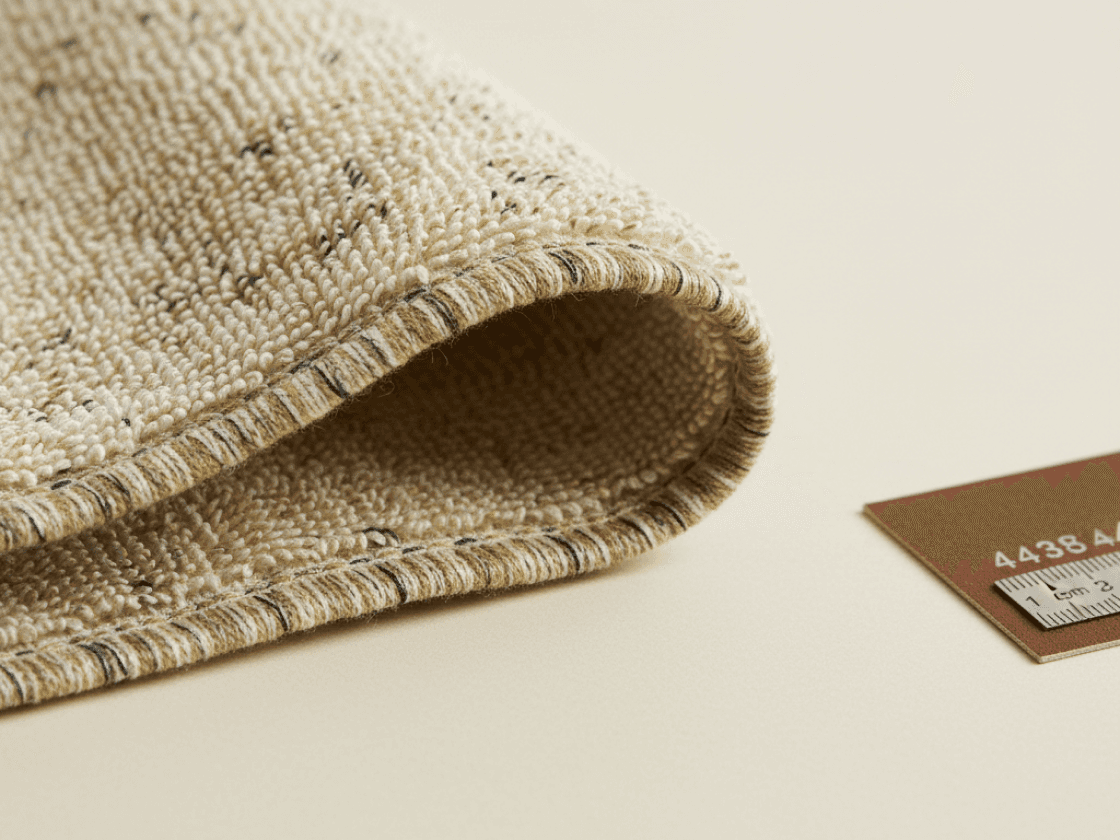
GSM (grams per square metre) is the first number on any towel spec sheet, but it only tells you weight, not durability. For salon hand and styling towels, 380–450 GSM is the practical working range — heavy enough to absorb colour and product runoff, light enough to dry fast between clients. Anything under 350 GSM tends to feel thin after a few bleach cycles; anything over 500 GSM takes too long to dry for high-turnover chairs.
2. Bleach-Proof / Vat-Dyed Colour
Ask specifically whether the colour is vat-dyed or surface-dyed. Vat-dyed towels are dyed through the fibre before weaving, so bleach and chemical exposure fade them evenly instead of stripping colour into blotches or grey patches. This one spec line predicts more about a towel’s usable life in a salon than any other.
3. Absorbency and Dry Time
Request a sample and run your own water-drop test: a towel that absorbs within 3–5 seconds and doesn’t leave a puddle underneath is doing its job. Combed or ring-spun cotton loops absorb faster and more evenly than open-end cotton.
4. Minimum Order Quantity and Lead Time
Single-outlet salons and multi-branch chains need different MOQ structures. Ask for the supplier’s smallest reorder batch and their standard lead time separately — get both numbers in writing before comparing quotes.
5. Reorder and Replacement Cycle
Ask the supplier directly: “at what wash count does this towel typically need replacing?” A supplier who gives you a real number, backed by fabric testing, is giving you more useful information than one who just says “durable.”
Questions to Ask Any Salon Towel Supplier
Is the colour vat-dyed or surface-dyed, and do you have bleach-exposure test data?
What’s your standard MOQ, and does it change for reorders vs. first orders?
What’s your average lead time from confirmed PO to dispatch?
Can I get a physical sample batch before committing to a bulk order?
What wash count do you rate the towel for under commercial laundering?
Do you offer consistent restocking of the same dye lot, or does colour vary order to order?
Red Flags When Sourcing in Bulk
No sample batch offered. A supplier confident in their fabric will send samples before a bulk PO.
Vague answers on dye process. “Colourfast” without specifying vat-dyed vs. surface-dyed usually means surface-dyed.
Batch-to-batch colour drift. Ask an existing client or reference if repeat orders match the original shade.
No wash-count or durability data. A supplier who can’t quantify durability can’t be held to it later.
How Toweltales Approaches Salon Linen Explore the Toweltales salon and grooming linen range.
We build salon towels around chemical exposure and wash frequency, not around matching a hospitality spec sheet — vat-dyed colour as standard, GSM in the working range that balances absorbency against dry time, and batch consistency across reorders. See the full Toweltales salon and grooming linen range for GSM options, dye process, and sample requests.
A Simple Approval Sequence
Confirm GSM, dye process, and absorbency with a physical sample.
Check MOQ, lead time, and the replacement cycle in writing.
Approve the supplier only after the sample and terms match your operating cycle.
Frequently asked questions
What hotel and hospitality procurement teams ask before their first order.
What GSM is best for salon towels specifically?
How is a salon towel different from a spa or hotel towel?
Should I ask for a sample before placing a bulk order?
What’s a reasonable MOQ for a single-outlet salon?
How often should salon towels actually be replaced?
What’s the real difference between vat-dyed and surface-dyed colour?
Does combed cotton matter, or is ring-spun enough for salon use?
Can I order hand, styling, and bath towels from one supplier under a single MOQ?
How do I avoid colour mismatch across reorder batches?
What should I check if I’m switching suppliers?
Build a better linen standard
Request a focused sample set and practical specification guidance for your next hospitality linen program.